Your First Choice for Restorative Dentistry
At Westdale Dental, we provide restorative dentistry services to repair damaged teeth, relieve pain, and restore full function to your smile. Whether you’re dealing with decay, injury, or missing teeth, our goal is to help you regain comfort and confidence with personalized treatment options.
Restorative care can improve your bite, make eating and speaking easier, and enhance your overall oral health. Our services include tooth-colored fillings, crowns, bridges, dental implants, and more—each designed to look natural and last long with proper care.
Recovery time varies by procedure, but many treatments—like fillings or crowns—require little to no downtime. For more advanced work, we’ll guide you through every step so you know what to expect.
Reasons for Restorative Dentistry
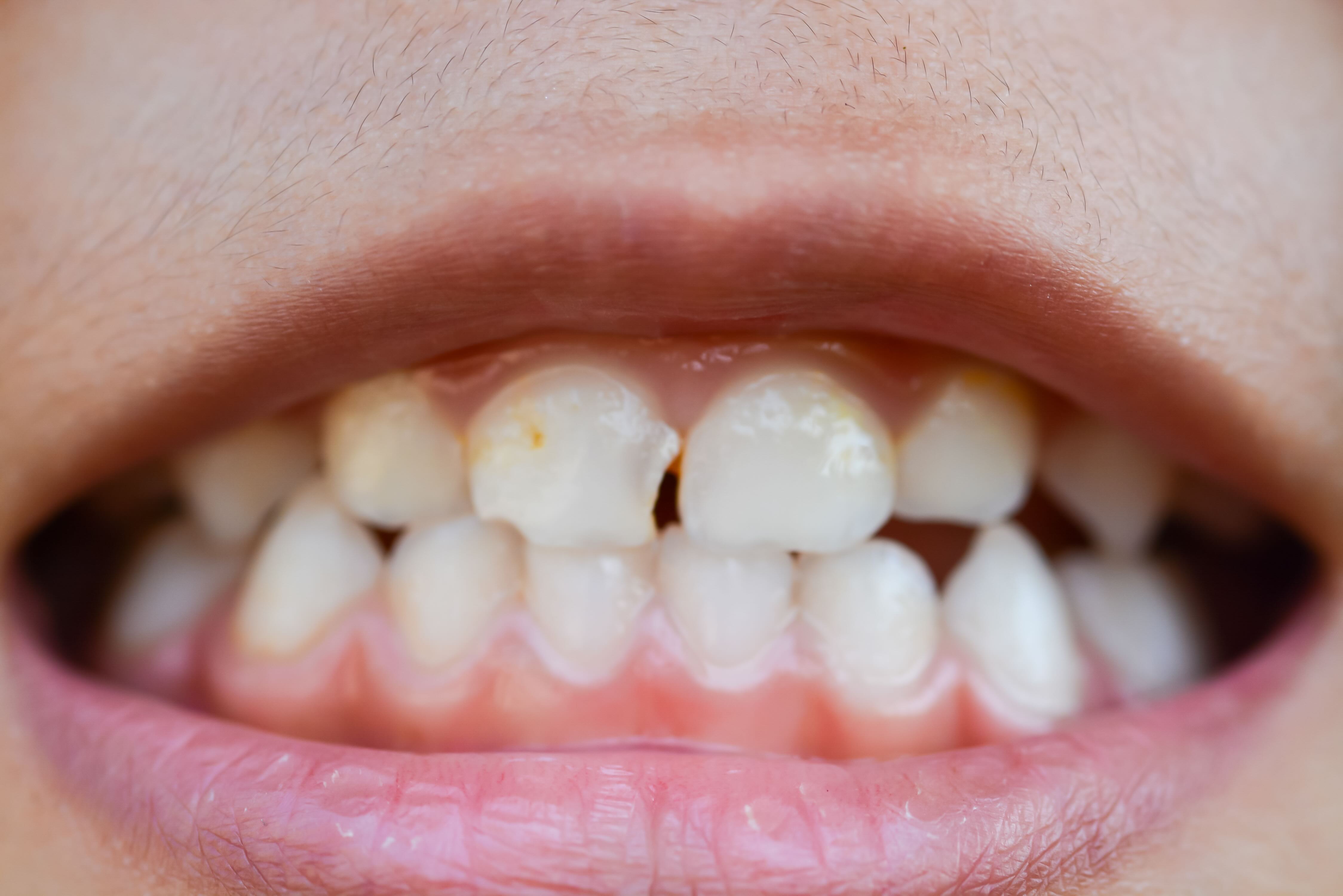
Restore or Repair Damaged/Decayed Teeth
We repair teeth affected by decay, cracks, or injury to restore strength, function, and appearance. Early treatment helps prevent further damage and keeps your natural teeth healthy longer.
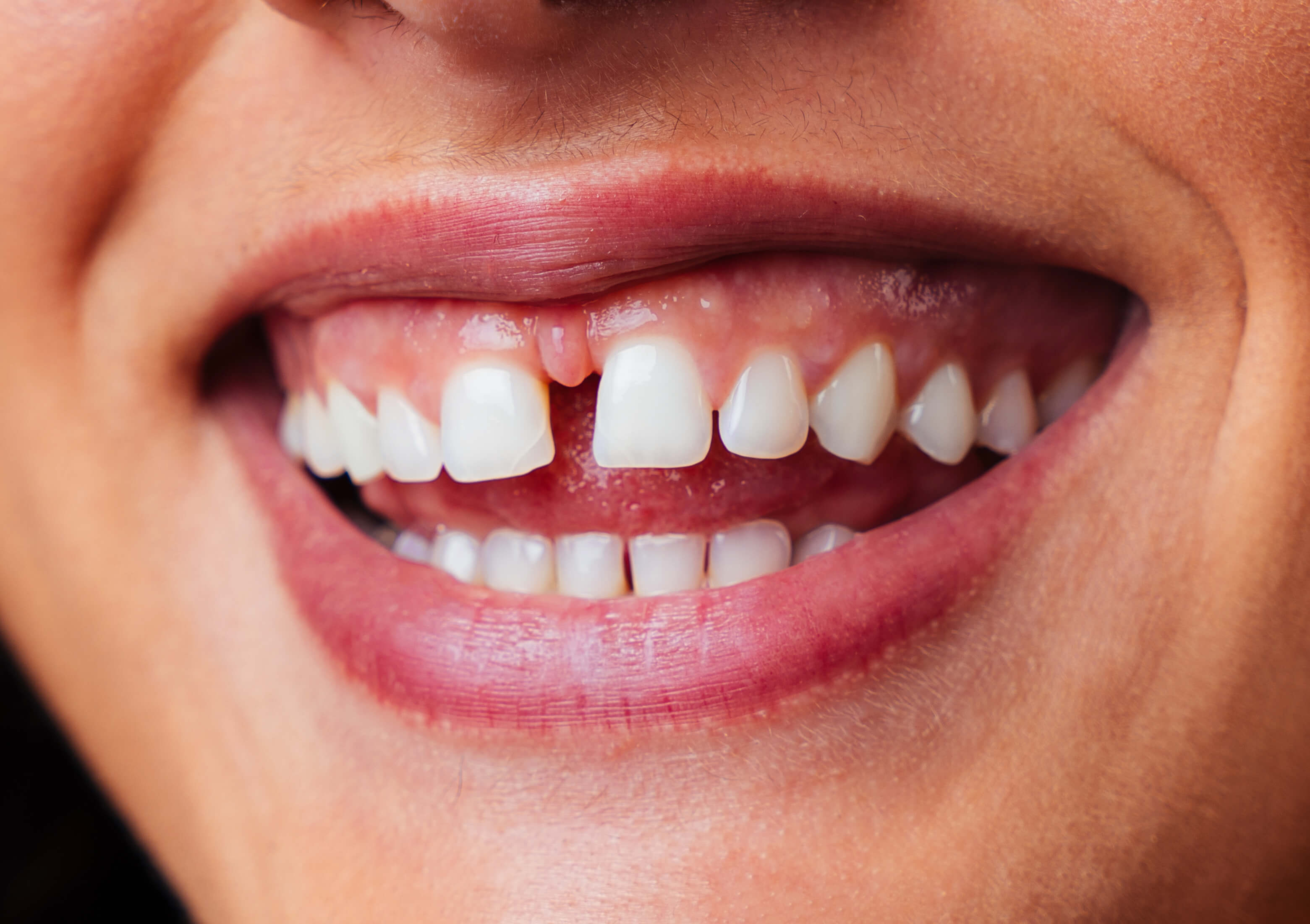
Fill in Unattractive Spaces/Enhance Your Smile
We offer treatments that close gaps and improve the shape, color, or alignment of your teeth. These options can boost confidence while still supporting your long-term oral health.
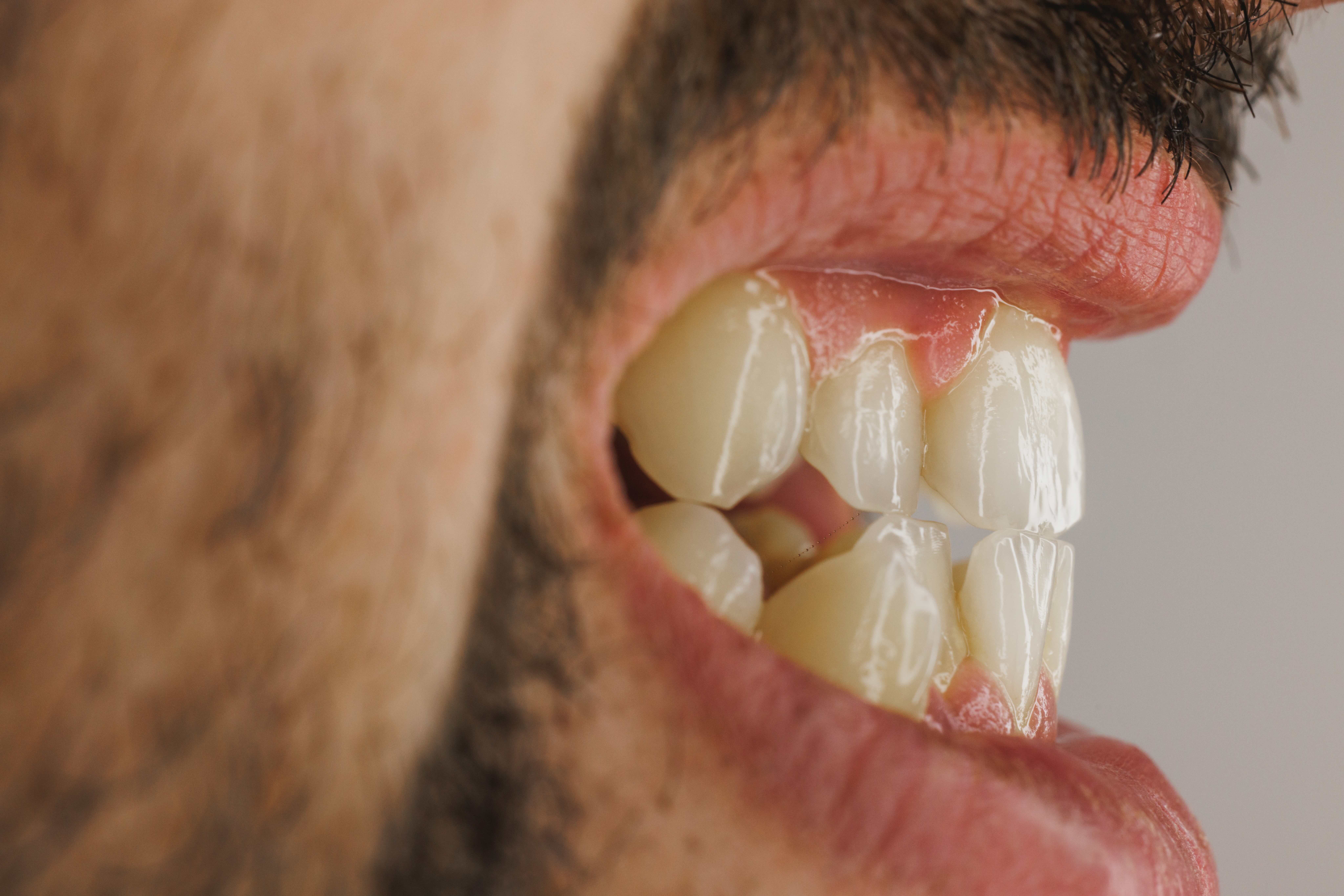
Improve Improper Bite
Correcting bite issues can help prevent uneven wear, jaw discomfort, and future dental problems. We evaluate how your teeth fit together and recommend solutions that improve comfort and function.
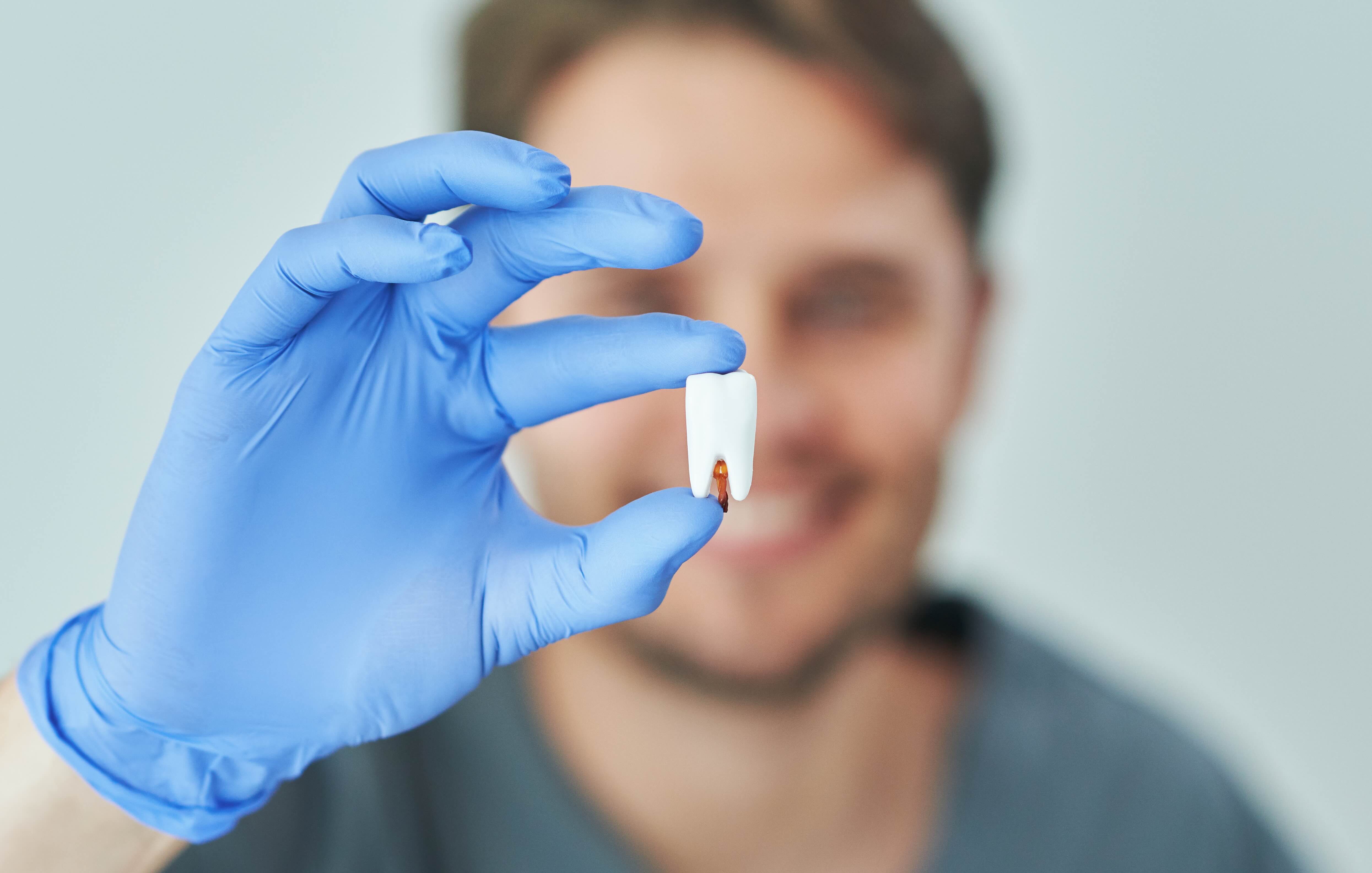
Relieve Dental Pain/Prevent Loss of Tooth
When a tooth is damaged or infected, prompt care can relieve pain and often save the tooth. Our goal is to treat the problem early so you can avoid more complex procedures later.
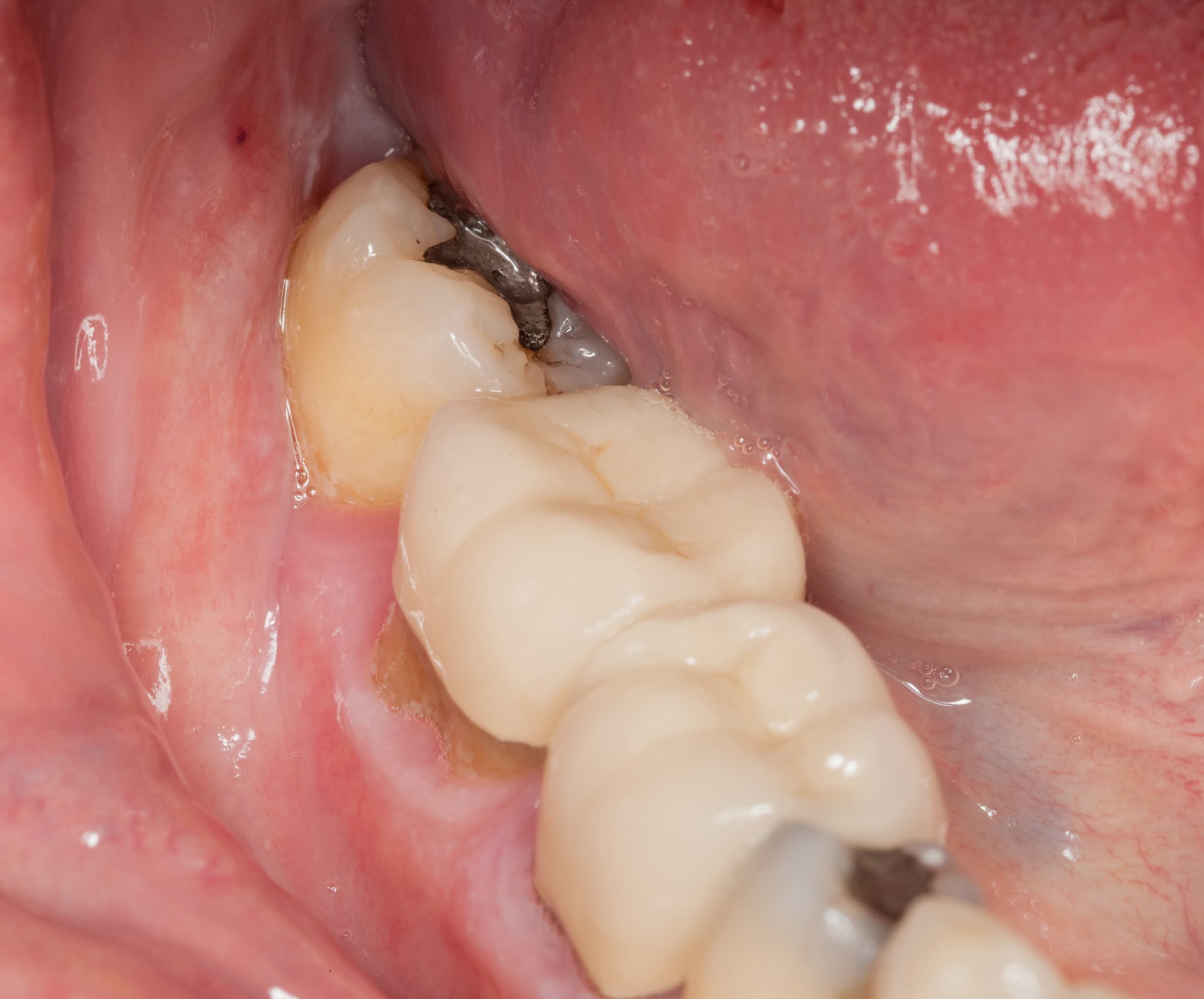
Replace Old, Unattractive Restorations
Worn, discolored, or failing dental work can affect both your smile and oral health. We replace outdated restorations with modern options that look natural and function better.
Benefits of Restorative Dentistry
Improved Oral Function
If you have missing or damaged teeth, you may experience more difficulty with chewing, speaking, and performing normal daily activities. Westdale Dental can help you regain these functions and maintain the health of your teeth.
Eliminate Mouth Pain
Tooth decay, oral infection, and fractured teeth can cause you a lot of pain. Relieve pain by eliminating the infection source and conserving the natural structure of the tooth.
Long-Lasting Results
With proper oral hygiene habits and routine visits to your dental professionals, restorative dentistry procedures can have long-lasting results. Crowns and bridges, made from durable materials like zirconia or porcelain, can last 10–15 years or longer with proper care. Dental implants, with proper maintenance, can last a lifetime and help preserve jawbone density.
Dental Restoration Recovery Time
The recovery time of your procedure can depend on what is needed to restore your teeth. There is typically no recovery period after getting a tooth filled, a crown, or a bridge, and normal activity can be resumed immediately. However, a root canal, dental implant, or dentures may require a longer recovery time. The professionals at Westdale Dental will inform you on what to expect following your specific procedure.
Crowns (Caps)
Using crowns or caps will help restore broken or fractured teeth. It usually takes two appointments to ensure the crown is in the right shape and fit.
Read More
Implants
A more permanent solution to a missing tooth is a dental implant. Artificial roots are placed within the jawbone, providing a long-lasting solution.
Read More
Bridges
A dental bridge is the most popular solution for replacing missing teeth. We will assess your needs and determine the best option for you.
Read More
Dentures
We custom make dentures to enhance your smile. Whether you need a partial set or a full set, stop in for a consultation.
Read More
Frequently Asked Questions About Restorative Dentistry
What is restorative dentistry?
Restorative dentistry focuses on repairing damaged teeth, replacing missing teeth, and restoring normal function to your smile. Treatments can improve chewing, comfort, appearance, and long-term oral health.
What dental problems can restorative dentistry fix?
Restorative care can address tooth decay, cracked or broken teeth, missing teeth, worn dental work, bite issues, and gaps between teeth. The goal is to restore both function and confidence in your smile.
What restorative treatments do you offer?
Depending on your needs, treatment options may include fillings, crowns, bridges, implants, dentures, or replacing older restorations with newer, natural-looking solutions. Your dentist will recommend what best fits your situation.
How do I know if I need restorative dental work?
You may need treatment if you have tooth pain, sensitivity, visible damage, missing teeth, trouble chewing, or older dental work that no longer fits properly. A dental exam can determine the best next steps.
Will restorative dentistry improve how my smile looks?
Yes. Many restorative treatments are designed to look natural while also strengthening your teeth. They can improve tooth shape, spacing, and alignment while restoring function.
Is restorative dentistry painful?
Most procedures are done with local anesthetic to keep you comfortable. Many treatments involve little to no downtime, and your team will explain what to expect before and after your visit.
How long do restorative dental treatments last?
The lifespan depends on the treatment and your oral care habits. For example, crowns and bridges can last many years, and dental implants may last decades or longer with proper care and routine visits.
How long is recovery after restorative treatment?
Many procedures, like fillings or crowns, allow you to return to normal activity the same day. More involved treatments such as implants or dentures may require a longer healing period.
Will insurance cover restorative dentistry?
Many restorative procedures are at least partially covered by dental insurance, especially when they are medically necessary. Your dental team can help you review your benefits and options.
Can restorative dentistry prevent future dental problems?
Yes. Repairing damaged teeth early can stop decay from spreading, reduce infection risk, improve bite balance, and help preserve your natural teeth long term.
What is restorative dentistry?
Restorative dentistry focuses on repairing damaged teeth, replacing missing teeth, and restoring normal function to your smile. Treatments can improve chewing, comfort, appearance, and long-term oral health.
What dental problems can restorative dentistry fix?
Restorative care can address tooth decay, cracked or broken teeth, missing teeth, worn dental work, bite issues, and gaps between teeth. The goal is to restore both function and confidence in your smile.
What restorative treatments do you offer?
Depending on your needs, treatment options may include fillings, crowns, bridges, implants, dentures, or replacing older restorations with newer, natural-looking solutions. Your dentist will recommend what best fits your situation.
How do I know if I need restorative dental work?
You may need treatment if you have tooth pain, sensitivity, visible damage, missing teeth, trouble chewing, or older dental work that no longer fits properly. A dental exam can determine the best next steps.
Will restorative dentistry improve how my smile looks?
Yes. Many restorative treatments are designed to look natural while also strengthening your teeth. They can improve tooth shape, spacing, and alignment while restoring function.
Is restorative dentistry painful?
Most procedures are done with local anesthetic to keep you comfortable. Many treatments involve little to no downtime, and your team will explain what to expect before and after your visit.
How long do restorative dental treatments last?
The lifespan depends on the treatment and your oral care habits. For example, crowns and bridges can last many years, and dental implants may last decades or longer with proper care and routine visits.
How long is recovery after restorative treatment?
Many procedures, like fillings or crowns, allow you to return to normal activity the same day. More involved treatments such as implants or dentures may require a longer healing period.
Will insurance cover restorative dentistry?
Many restorative procedures are at least partially covered by dental insurance, especially when they are medically necessary. Your dental team can help you review your benefits and options.
Can restorative dentistry prevent future dental problems?
Yes. Repairing damaged teeth early can stop decay from spreading, reduce infection risk, improve bite balance, and help preserve your natural teeth long term.